
Understanding Quercetin: A Guide for Managing Histamine and Inflammation

Updated: May 21
If you’ve been exploring ways to manage histamine issues, mast cell activation syndrome (MCAS), ADHD, or the tangled trio of hypermobility, neurodivergence, and chronic inflammation, chances are you’ve heard of quercetin. Maybe you’re already using it. But what is quercetin, really?
What Is Quercetin?
Quercetin is a plant pigment, specifically a type of flavonoid, compounds found naturally in many fruits, vegetables, and herbs. It gives some foods (like red onions or apples) their bright color and is known for its antioxidant and anti-inflammatory effects.
Chemically speaking, quercetin belongs to the polyphenol family, and it's often extracted from plants such as:
Red onions
Capers
Apples
Berries
Grapes
Broccoli
Green tea
It’s also found in high-potency form in many dietary supplements, sometimes paired with bromelain (an enzyme from pineapple) to improve absorption. In supplement form, quercetin is typically produced by extracting it from plant sources or synthesizing it in a lab to match its natural structure. It’s taken orally in capsules or powders, sometimes combined with other compounds like vitamin C or luteolin for synergistic effects.
The Benefits That Make Quercetin So Popular
Quercetin is a favorite in MCAS and allergy support circles, and many in neurodivergent or hypermobile communities report finding it helpful for inflammation-related symptoms. Here’s why it gets so much attention:
Mast cell stabilizer: May help reduce the release of histamine and other inflammatory mediators.
Brain anti-inflammatory: Early studies suggest it may help ease neuroinflammation, which could support focus and sensory regulation.
Gut barrier support: May help reduce gut permeability and calm inflammation in the digestive tract.
Antioxidant powerhouse: Helps protect tissues from oxidative stress.
While these benefits sound impressive, most of the strong evidence comes from animal or lab studies. Human research is promising but still limited, so think of it as a “potentially powerful tool” rather than a cure-all.
The Hidden Risks of Long-Term Quercetin Use
Quercetin is generally safe for short-term use, but when taken in high doses over months or years, it can impact your nutrient balance in ways you’ll want to watch for.
1. Iron-related effects
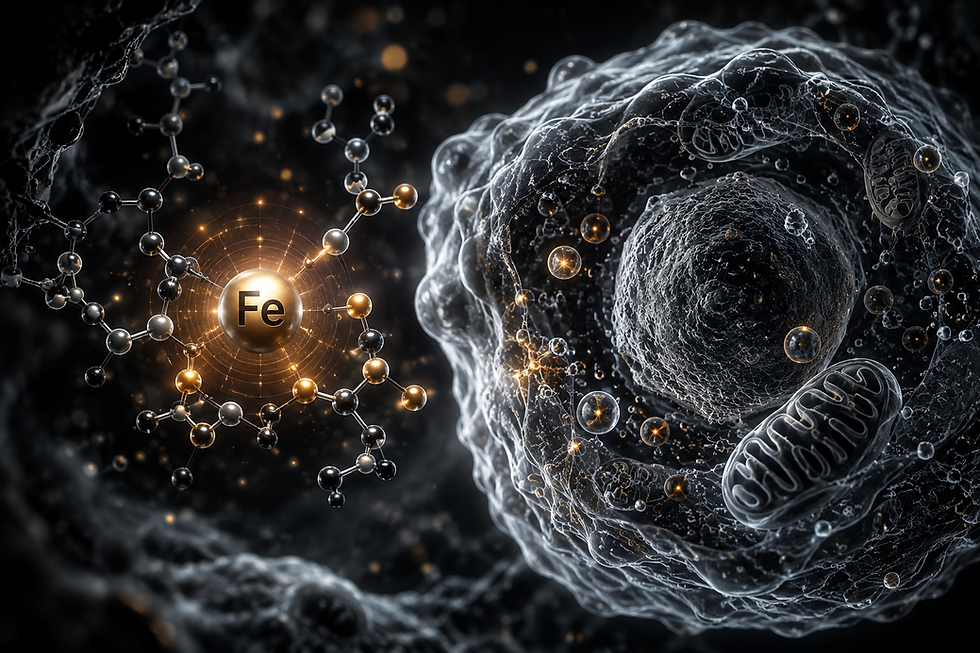
Quercetin can bind to non-heme iron, the kind found in plants and supplements, making it harder for your body to absorb. This effect is mostly a concern with long-term or high-dose supplementation, rather than normal dietary intake. What can happen if your iron stores dip too low?
Hair thinning or hair loss: Iron is essential for healthy hair growth. Low ferritin (your body’s iron storage) can cause hair follicles to “pause,” leading to more shedding and brittle strands.
Fatigue, brain fog, and weakness: Iron helps deliver oxygen to your cells. Even if your blood tests show “normal” hemoglobin, low iron stores can leave you feeling tired, foggy, or lightheaded.
2. Possible zinc and copper effects
Some research suggests quercetin might also affect zinc and copper balance, although human studies are limited. These minerals are crucial for:
Collagen production
Skin barrier repair
Wound healing
Controlling skin inflammation
Signs you might be low in zinc or copper include delayed healing of cuts or acne, flaky or irritated skin, and increased sensitivity. These nutrient shifts don’t usually show up overnight, they tend to develop slowly, making it easy to miss until symptoms become noticeable.
How to Use Quercetin Safely (Without Depleting Yourself)
You don’t have to give up quercetin entirely, just use it strategically.
✔️ 1. Cycle it: Use for 6–8 weeks, then take a 2–4 week break. During breaks, you can try other supportive compounds (see below).
✔️ 2. Mind your timing: Take quercetin with a little healthy fat to improve absorption, but separate it from iron, zinc, magnesium, and calcium supplements (or mineral-rich meals) by at least 3–4 hours.
✔️ 3. Choose the right form: Quercetin phytosome or quercetin with bromelain can boost absorption.
✔️ 4. Pair it with nutrient monitoring: If you’re using higher doses (500–1,000 mg/day or more) for more than a couple of months, consider checking:
Ferritin (aim for 70+ for hair and energy)
Iron saturation
Zinc and copper
Test every 3–6 months if you’re prone to deficiencies.
✔️ 5. Watch for symptoms of imbalance: Hair shedding, brittle nails, pale skin, easy bruising, slow healing, and unusual fatigue are signs you may need to take a break or rebalance nutrients.
Smart Alternatives to Quercetin (Especially During Breaks)
If you still need histamine support but want to rest your nutrient stores, here are other compounds worth exploring. None are perfect swaps, and most evidence is from early-stage research, but they can still be valuable tools:
Luteolin: Another plant flavonoid with antioxidant and anti-inflammatory effects. Early research suggests it may help calm mast cells without the same concern for iron absorption.
PEA (Palmitoylethanolamide): A fatty acid naturally made in the body that may help soothe mast cell activity and inflammation. Generally well tolerated in short-term studies.
Vitamin C + Rutin: Vitamin C supports collagen and helps break down histamine. Rutin is another flavonoid that may stabilize mast cells, though research in humans is still limited.
DAO enzyme supplements: Provide diamine oxidase, which helps break down histamine from foods before it’s absorbed. Helpful for dietary histamine triggers, but won’t affect histamine made inside your body.
Baicalin (from Chinese Skullcap): A traditional herbal compound with anti-inflammatory and mast cell–modulating effects in lab studies. Human trials are still sparse.
Heads up: Most of these haven’t been deeply studied in pregnancy, breastfeeding, or long-term high dosing. Introduce them one at a time so you can track your response.
Final Thoughts
Quercetin can be a powerful ally for histamine, inflammation, and overall resilience, but like any tool, it works best when you know when to use it, how to use it, and when to step back. If you’ve been on it for months without a break and notice changes in your hair, skin, or energy, it might be time to give your body a reset. There are other ways to keep histamine and inflammation in check that won’t put your nutrient balance at risk.
Especially if you’re neurodivergent or living with hypermobility or MCAS, your biochemistry tends to be more sensitive. The goal isn’t perfection, it’s better balance.
Looking for support? 👉 Book your Free 15 mn call here!!


Comments